Posted on

4 February – World Cancer Day

world cancer day

World Cancer Day (WCD) is held annually on the 4th of February. While we live in a time of amazing advancements in cancer prevention, diagnosis and treatment, many of those who seek cancer care face obstacles around every corner. 

WCD aims to raise awareness and to re-imagine a world where millions of preventable cancer deaths are saved, and access to life-saving treatment and care that does not differ in quality according to the patient`s age, gender, geographical location, cultural background, ethnicity, religion, income, sexual orientation, disability, lifestyle or socioeconomic status. 

This year’s World Cancer Day’s theme, “Close the Care Gap”, is all about raising awareness of this equity gap that affects almost everyone, in high as well as low- and middle-income countries, and is costing lives.

Did you know?
10 million people die from cancer every year, that is more than HIV/AIDS, malaria and tuberculosis combined!
Experts project cancer deaths to rise to 13 million by 2030 – if we don’t act now.

Why take action?
More than a third of cancer cases CAN be prevented, and another third can be cured if detected early, and treated properly. It is the year 2022, and we know more about cancer today than ever before! Through investing in research and innovation; extraordinary breakthroughs in medicine, diagnostics, and scientific knowledge have happened, and the more we know, the more progress can be made to reduce risk factors, increase prevention and to improve cancer diagnosis, treatment, and care.

By implementing resource-appropriate strategies on prevention, early detection and treatment – millions of lives can be saved every year!

Since its creation in 2000, World Cancer Day has grown into a positive movement.
Every year, hundreds of activities and events take place all around the globe, gathering communities, organisations and individuals in schools, businesses, hospitals, marketplaces, parks, community halls, places of worship – in the streets and online. Check out the Map of Activities!

What is Cancer?

Cancer is a disease which occurs when changes in a group of normal cells within the body lead to uncontrolled, abnormal growth forming a lump called a tumour; this is true of all cancers except leukaemia (cancer of the blood). If left untreated, tumours can grow and spread into the surrounding normal tissue, or to other parts of the body via the bloodstream and lymphatic systems, and can affect the digestive, nervous and circulatory systems or release hormones that may affect body function.

Cancer tumours can be divided into three groups:
1. benign (slow-growing, not cancerous and rarely threaten life),
2. malignant (faster growing than benign tumours and have the ability to spread and destroy neighbouring tissue),
3. precancerous (the condition involving abnormal cells which may (or is likely to) develop into cancer).

Cancer is classified according to the type of cell it starts from. There are five main types:

1. Carcinoma – A cancer that arises from the epithelial cells (the lining of cells that helps protect or enclose organs). Carcinomas may invade the surrounding tissues and organs and metastasise to the lymph nodes and other areas of the body. The most common forms of cancer in this group are breast, prostate, lung and colon cancer

2. Sarcoma – A type of malignant tumour of the bone or soft tissue (fat, muscle, blood vessels, nerves and other connective tissues that support and surround organs). The most common forms of sarcoma are leiomyosarcoma, liposarcoma and osteosarcoma

3. Lymphoma and Myeloma – Lymphoma and Myeloma are cancers that begin in the cells of the immune system. Lymphoma is a cancer of the lymphatic system, which runs all through the body, and can therefore occur anywhere. Myeloma (or multiple myeloma) starts in the plasma cells, a type of white blood cell that produces antibodies to help fight infection. This cancer can affect the cell’s ability to produce antibodies effectively

4. Leukaemia – Leukaemia is a cancer of the white blood cells and bone marrow, the tissue that forms blood cells. There are several subtypes; common are lymphocytic leukaemia and chronic lymphocytic leukaemia

5. Brain and spinal cord cancers – these are known as central nervous system cancers. Some are benign while others can grow and spread.

Causes of Cancer

Cancers can be caused by a number of different factors and, as with many other illnesses, most cancers are the result of exposure to a number of different causal factors. It is important to remember that, while some factors cannot be modified, around one third of cancer cases can be prevented by reducing behavioural and dietary risks.

Modifiable risk factors: Alcohol, Being overweight or obese, Diet and nutrition, Physical activity, Tobacco, Ionising radiation, Workplace hazards (asbestos, chemical industry), Infections.

Non-Modifiable risk factors: Age, Carcinogens, Genetics, Immune System.

Types of cancers

With so many different types of cancers, the symptoms are varied and depend on where the disease is located. However, there are some key signs and symptoms to look out for, including:

Unusual lumps or swelling – cancerous lumps are often painless and may increase in size as the cancer progresses.

Coughing, breathlessness or difficulty swallowing – be aware of persistent coughing episodes, breathlessness or difficulty swallowing.

Changes in bowel habit – such as constipation and diarrhoea and/or blood found in the stools.

Unexpected bleeding – includes bleeding from the vagina, anal passage, or blood found in stools, in urine or when coughing.

Unexplained weight loss – a large amount of unexplained and unintentional weight loss over a short period of time (a couple of months).

Fatigue – which shows itself as extreme tiredness and a severe lack of energy. If fatigue is due to cancer, individuals normally also have other symptoms.

Pain or ache – includes unexplained or ongoing pain, or pain that comes and goes.

New mole or changes to a mole – look for changes in size, shape, or colour and if it becomes crusty or bleeds or oozes.

Complications with urinating – includes needing to urinate urgently, more frequently, or being unable to go when you need to or experiencing pain while urinating.

Unusual breast changes – look for changes in size, shape or feel, skin changes and pain.

Appetite loss – feeling less hungry than usual for a prolonged period of time.

A sore or ulcer that won’t heal – including a spot, sore wound or mouth ulcer.

Heartburn or indigestion – persistent or painful heartburn or indigestion.

Heavy night sweats – be aware of very heavy, drenching night sweats.

Please visit the official World Cancer Day website to find out more about different types of cancers, prevention, early detection and cancer treatment.


Source: www.worldcancerday.org


From the Shop

Posted on

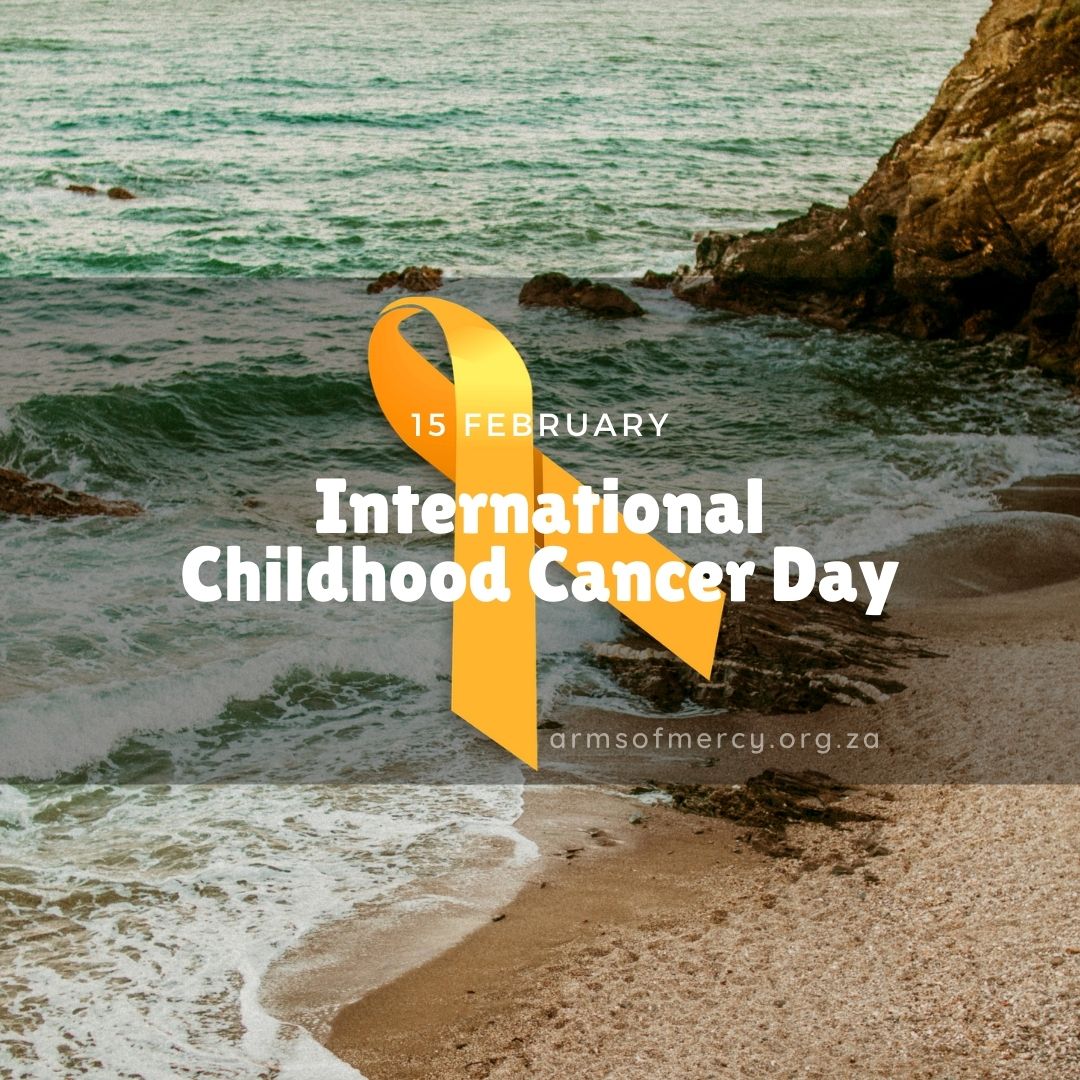
International Childhood Cancer Day 15 February

TODAY is International Childhood Cancer Day – a global collaborative campaign to raise awareness about childhood cancer, and to express support for children and adolescents with cancer, the survivors and their families.

ICCD promotes increased appreciation and deeper understanding of issues and challenges impacting childhood cancer and the survivors. It also spotlights the need for more equitable and better access to treatment and care for all children with cancer, everywhere.

Of the estimated 300,000 children who will get cancer every year, 80% live in low- middle income countries and have as little as 10-30% chance of cure (low and middle income respectively), compared to 80% or more in high income countries. Cancer in children is increasing in incidence as communicable disease deaths are reducing worldwide. Learn more at worldchildcancer.org.
In South Africa, an average of 800 to 1000 children are newly diagnosed with cancer each year. Childhood cancers share general symptoms with other illnesses; knowing the warning signs can be vital in early detection and treatment.


Childhood Cancer Awareness Bracelets – Fundraising for a Cause

Knowledge is power! Wearing an “Awareness Bracelet” creates an opportunity to start a conversation and to share information about a particular cause or disease, like cancer. Raising awareness may also lead to more ACTION like research to find a cure! Choose from our collection of Awareness Bracelets to wear in memory of a loved one lost, or as a gift to spoil yourself or someone close to your heart. All proceeds are donated towards the ongoing medical care and expenses, treatments and emergency surgeries of children with cancer, rare diseases, and special needs.

“The world changes from year to year, our lives from day to day, but the love and memory of you, shall never pass away.”

Rest In Peace

Gidion du Toit
Nicole van Rooyen
Cathrin Botha
Erica Rhoode
Alexis Rhoode
Tiana van Blerk
Peet Pretorius
Owen Jansen van Vuuren
Angelo Pereira
Bianca Fourie

Posted on

Breast Pain Causes and When to Seek Help

breast pain causes breast cancer awareness

To experience occasional breast pain is common, however, breasts don`t typically hurt. There are various causes of breast pain, also known as mastalgia – which is categorised as cyclical or non-cyclical.

The 2 most common factors of breast pain are hormone fluctuation (puberty, pregnancy and menopause) and fibrocystic (lumpy) breasts. Other causes of breast pain also include breastfeeding, unhealthy diet, large breast size, a poorly fitted bra, pain from scar tissue after breast surgery, medications for heart disease antibiotics, antidepressants, hormone therapy, and an increase of epinephrine levels in the breast tissue due to smoking. Sometimes breast pain is caused by irritation of the chest, arms, or back muscles. This is common if you’ve participated in physical activities like raking, rowing, shoveling, and waterskiing.

Breast Pain and Breast Cancer

Breast pain is not generally linked to breast cancer, and having breast pain or fibrocystic breasts does not mean you are at higher risk of developing breast cancer.

If you have breast pain in only one area and that is consistent through the month with no fluctuations in pain level, call your doctor to help determine if your symptoms are related to cancer. Examples of diagnostic tests can include a mammogram, ultrasound, and MRI or biopsy.

If you have sudden breast pain that comes with chest pain, tingling, and numbness in your limbs, do seek medical attention immediately as these symptoms can indicate a heart attack.

When to Seek Help

Make an appointment to see your doctor if your pain:

– keeps you from participating in your usual daily activities
– lasts longer than 2 weeks
– accompanies a new lump that appears to be getting thicker
– seems to be concentrated in one specific area of your breast
– seems to get worse with time

Source and more information: healthline.com


Information and Answers Regarding Breast Pain

An excerpt from Solving the Mystery of Breast Pain by Judy C. Kneece, RN, OCN

Breast pain is frightening because most women associate pain with cancer. However, in reality, breast pain may be uncomfortable and annoying, but it is usually not unbearable. What seems unbearable is the fear that it may be cancer. However, less than 10 percent of women diagnosed with breast cancer in one large clinical study had breast pain as a symptom of their cancer. Most breast pain is not associated with cancer but from the female hormones the body makes monthly.

But, because breast cancer could be a cause, a physician should be notified of recurring breast pain. A physician’s examination and a mammogram can help determine the cause of the pain. All recurring breast pain needs evaluation to determine its cause.

To assist your physician, it will be helpful if you understand the different kinds and characteristics of breast pain. Pain in the breast is referred to by physicians as mastalgia or mastodynia. This pain may be characterized as cyclic, noncyclic or musculoskeletal.

Cyclic Pain appears to be related to the female hormones estrogen, progesterone and prolactin. Their effects on breast tissue vary at different times of the month and life cycle. Pain related to these changes usually begins at ovulation and increases until the menstrual period begins. After menstruation, the pain decreases. Both breasts are usually involved, but occasionally, one breast will experience a greater degree of pain. Often, the pain is greatest in the upper-outer quadrants (from the nipple back toward the armpit) and sometimes radiates to the arm pit and arm. The discomfort is felt throughout the area and is often described as a dull, aching pain, as if the breast were filled with milk. Pre-menopausal women experience this pain. Menopause relieves the symptoms. This bilateral (both breasts) pain has no relationship to cancer.

Noncyclic Pain differs from cyclic pain in that it has no relationship to the menstrual cycle and the female hormones. This pain can be continuous or may only occur from time to time. The pain is usually localized to a specific area in one breast (unilateral). Described as a sharp, stabbing or burning sensation in the breast, the pain is most often found after age 30. This pain has been linked to fluid-filled cysts, fibroadenomas, duct ectasia, mastitis, injury and breast abscesses. Treatment may include withdrawing the cyst fluid, surgically removing the fibroadenoma, prescribing antibiotics, or having surgery for duct ectasia, mastitis or abscesses.

Some noncyclic pain is also related to musculoskeletal causes. The most common is pain that comes from a pinched nerve in the back, cervical or dorsal radiculitis. Often, a history of back injury, scoliosis, arthritis or osteoporosis is involved. One breast will be painful.

Tietze’s Syndrome: Another cause of breast pain originates in the area of the breast bone and ribs and is known as Tietze’s syndrome. It is commonly called painful costochondritis (inflammation of the cartilage of the ribs). This pain is localized to the medial half (closest to breastbone) and is tender when pressure is placed on the breastbone, when the rib cage is moved, or when a deep breath is taken. This pain often occurs after doing heavy lifting or activities that stretch the upper body. If the pain is from costochondritis, ibuprofen or aspirin, taken for several days on a regular basis, will usually reduce the pain.

Phlebitis: Other causes for breast pain may be from phlebitis (an inflamed vein), called Mondor’s syndrome. Even infected teeth have been shown to cause referred breast pain. Additionally, some herbal products such as Ginseng and Dong Quai will cause breast tenderness and pain as can many prescription medications.

Pain associated with cancer, is usually noncyclic, located in one breast and is often accompanied by a lump, skin retraction (dimpling), a bulge on the breast, skin changes (having an orange peel look) or a suspicious mammogram. All noncyclic pain that recurs should be examined by a physician.

Determining the Type of Pain:
If you cannot determine if your pain is cyclic or noncyclic, keep a record of the pain you experience daily and its time in your cycle. After one – two months, you will be able to tell if the pain is associated with the fluctuating hormones of your menstrual cycle (cyclic), or if it bears no relationship to hormonal changes (noncyclic).

Breast Pain Evaluation: If you have recurring breast pain, schedule a breast exam with a physician. After a complete history and breast exam, a mammogram will probably be ordered (if over 35) to search out any cause not apparent on the exam. If the exam and the mammogram are negative (no suspicious findings), a search to determine what type of pain and how to relieve your pain should be started. If a lump or cyst is found, a biopsy may be needed to remove the suspicious area or to rule out cancer. It is important to inform your physician of any new prescription or over-the-counter medications you are taking, including herbal supplements.

Ninety percent of breast pain in diagnosed women with breast cancer is not related to cancer. Pain with breast cancer is rare, but all pain needs a thorough evaluation by a physician to be assured that cancer is not present.

For more information, see Solving the Mystery of Breast Pain. This book gives straightforward answers to these questions for the woman who wants to understand and monitor her own breast health.

Source: subrad.com


*All information in this post is published for general information and educational purposes only. Arms of Mercy NPC and the armsofmercy.org.za website do not offer any diagnosis or treatment, and will not be held liable for any adverse health effects, losses and/or damages whatsoever. Any action you take as a result of the information is at your own risk, and does not replace the advice of a qualified medical practitioner. Always consult with your medical healthcare practitioner.


Posted on

Childhood Cancer Awareness Fundraiser: Gratitude ~ Thank You

On behalf of Arms of Mercy, I would like to extend my sincerest gratitude to all our Donors, Sponsors and supporters for all your support and dedication towards our organization to raise funds for the benefit of our cancer warriors. A HUGE shout-out to the Western Cape Volunteer Team who worked 24/7 around the clock under the leadership of our Events Specialist, Anell Brand Van Romburgh. Your love and passion for our children made it a huge success and I’m super proud of you all.

As the month changes from Gold to Pink, let’s NEVER EVER forget about our cancer warriors. Childhood Cancer is the leading cause of death by disease in children…Therefore I ask that you all stand together and continue to raise awareness. The Fight is not over. This service that you perform is not only supplying the needs of the Lord’s people but is also overflowing in many expressions of thanks to God. Because of the service by which you have proved yourselves, others will praise God for the obedience that accompanies your confession of the gospel of Christ, and for your generosity in sharing with them and with everyone else. And in their prayers for you their hearts will go out to you, because of the surpassing grace God has given you. Thanks be to God for His indescribable gift!

Sponsors:

  • Simone Simon, Life Long Body
  • Tolla’s Dairy
  • Lohamie’s Cakes and Bakes
  • Mommy Dee’s Cakes

~ Karin Harmse, Founder & Managing Director

Posted on

Childhood Cancer Awareness Month – Join the Fight Against Cancer this September!

childhood cancer awareness month-armsofmercy.org.za

September is Childhood Cancer Awareness Month

In South Africa, an average of 800 to 1000 children are newly diagnosed with cancer each year. Childhood cancers share general symptoms with other illnesses; knowing the warning signs can be vital in early detection and treatment.

According to a 2014 report by the American Cancer Society, it is now estimated that one in 408 children worldwide will be diagnosed with cancer before the age of 15. It is estimated that currently less than half of children with cancer in South Africa are diagnosed, and many of those who are diagnosed are in advanced stage of illness. One of the reasons for this is a lack of awareness and knowledge in parts of the health system regarding the early warning signs of childhood cancer. – www.gov.za

It is important to know that cancer in children tend to be different from cancers in adults. The majority of them occur in the developing cells like blood, bone marrow, the kidneys and tissues of the nervous system.  The CANSA Childhood Cancer Awareness Programme aims to educate the public on the early warning signs. In South Africa, the St Siluan Warning Signs for Childhood Cancer are used.

Supporting the fighters, admiring the survivors, honoring the taken, and never ever giving up HOPE

Help us to raise awareness about childhood cancer – knowledge is power! Awareness Bracelets creates an opportunity to start a conversation, and share information about a particular cause or disease, and may help with future research, treatments etc.

Children are a gift from God and Arms of Mercy’s passion. 🎗️ Become a part of something truly beautiful and worthy by ordering and proudly wearing your childhood cancer awareness bracelet this September!

childhood cancer awareness month-armsofmercy.org.za

Childhood Cancer Awareness Bracelet

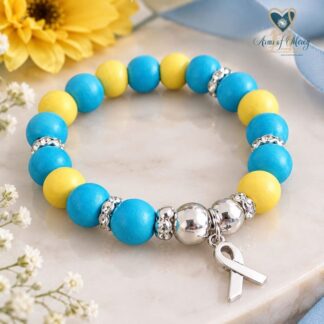
The Childhood Cancer Awareness Bracelet cost only R40; consisting of gold and silver wooden beads with crystals – and a Diamanté Awareness Ribbon charm. Also available as a plain bracelet (no charm). To place and order please contact the agent in your area or shop online. All proceeds are donated towards the ongoing medical care and expenses, treatments and emergency surgeries of our children who are battling cancer.

Childhood Cancer Awareness Bracelet © Arms of Mercy NPC

Related post: Neuroblastoma Cancer in Children: Signs, Symptoms and Treatment

Posted on

Sarcoma Cancer – Risk Factors, Signs & Symptoms

Sarcoma Cancer Risk Factors, Signs & Symptoms

A brief introduction to Sarcoma Cancer, the risk factors and what signs and symptoms to look out for. This post is purely for general information purposes and by no means replace the advice of a medical practitioner.

July is Sarcoma Cancer Awareness Month ღ

Sarcoma is a general term that is used for a broad group of cancers which arise in the bones and the soft connective tissue such as fat and muscle, blood vessels and nerves, tendons and cartilage. This type of cancer can occur in various locations in your body.

Though there are more than 70 different types of sarcoma, they can be grouped into 2 main types: bone sarcoma, or osteosarcoma, and soft tissue sarcoma.

In most cases, it’s not clear what causes sarcoma. Family history and exposure to chemicals or radiation may increase risk.

Risk factors

Factors that can increase the risk of sarcoma include:

  • Inherited syndromes. Some syndromes that increase the risk of cancer can be passed from parents to children, like familial retinoblastoma and neurofibromatosis type 1.
  • Radiation therapy for cancer. Radiation treatment increases risk of developing a sarcoma later.
  • Chronic swelling (lymphedema). Lymphedema is swelling caused by a backup of lymph fluid that occurs when the lymphatic system is blocked or damaged. It increases the risk of a type of sarcoma called angiosarcoma.
  • Exposure to chemicals. Certain chemicals, such as some industrial chemicals and herbicides, can increase the risk of sarcoma that affects the liver.
  • Exposure to viruses. The virus called human herpesvirus 8 can increase the risk of a type of sarcoma called Kaposi’s sarcoma in people with weakened immune systems.

The symptoms and the treatment will vary depending on the type of sarcoma, the location and other factors.

Signs and Symptoms

  • A lump that can be felt through the skin; it may/may not be painful
  • Bone pain
  • A broken bone that happens unexpectedly, such as with a minor injury or no injury at all
  • Abdominal pain
  • Weight loss

Treatment may include surgery, radiation and chemotherapy. Sarcomas can be treated, often by having surgery to remove the tumor.

Children and young adults get osteosarcoma more often than adults. Because active, healthy children and teenagers often have pain and swelling in their arms and legs, osteosarcoma might be mistaken for growing pains or a sports injury. If your child’s pain doesn’t get better, or gets worse at night, and is in one arm or leg rather than both, please talk to a doctor. Adults with this kind of pain should see a doctor right away.


Sources: mayoclinic.org, webmd.com, cansa.org.za

Posted on

Suicide Awareness and Prevention

Suicide Awareness and Prevention

Looking out for our friends and loved ones is an important part of preventing suicides. Easy access to mental health treatment can be key to saving the life of someone who struggles with suicidal thoughts. Seeing them go through the pain and struggle to cope with their thoughts and feelings can be hard, and approaching and encouraging them to seek therapy can be a tricky situation. If done incorrectly, you could alienate the person or turn them against the idea entirely. However, there is an effective way to have this conversation. Learn How to Encourage Someone to See a Therapist.

World Suicide Prevention Day is commemorated around the world on the 10th of September to promote commitment and action to prevent suicide. On average, almost 3 000 people commit suicide every day, and for each person who completes a suicide, 20 or more may attempt to end their lives.

About one million people commit suicide each year. Every 40 seconds, the loss of a person who killed themselves shatters the lives of family and friends. Those who stay behind are affected severely and the it can take many, many years to deal with the emotional trauma, and to heal from such an ordeal.

“A suicide is like a pebble in a pond. The waves ripple outward.”

Suicide Hotlines and Crises lines in South Africa

In South Africa, 23 suicides a day are recorded and 230 serious attempts. You can call SADAG  to talk on behalf of a loved one, colleague, or friend. Trained counsellors are there to help and refer you to local counsellors, facilities and Support Groups.

Risk Factors

All people can be at risk of suicide. The risk factors for someone feeling suicidal or making an attempt at suicide may include:

  • Depression, other mental disorders, or substance abuse disorder
  • Certain medical conditions
  • Chronic pain
  • A prior suicide attempt
  • Family history of a mental disorder or substance abuse
  • Family history of suicide
  • Family violence, including physical or sexual abuse
  • Having guns or other firearms in the home
  • Having recently been released from prison or jail
  • Being exposed to others’ suicidal behavior, such as that of family members, peers, or celebrities

Warning Signs

The warning signs of suicide can allow you to direct individuals who may be considering suicide to get help. Behaviors that may be warning signs include:

  1. Talking about wanting to die or wanting to kill themselves
  2. Suicidal ideation: thinking, talking, or writing about suicide, planning for suicide
  3. Substance abuse
  4. Feelings of purposelessness
  5. Anxiety, agitation, being unable to sleep, or sleeping all the time
  6. Feelings of being trapped
  7. Feelings of hopelessness
  8. Social withdrawal
  9. Displaying extreme mood swings, suddenly changing from sad to very calm or happy
  10. Recklessness or impulsiveness, taking risks that could lead to death, such as driving extremely fast
  11. Mood changes including depression
  12. Feelings of uselessness
  13. Settling outstanding affairs, giving away prized or valuable possessions, or making amends when they are otherwise not expected to die (as an example, this behavior would be typical in a terminal cancer patient but not a healthy young adult)
  14. Strong feelings of pain, either emotional or physical
  15. Considering oneself burdensome
  16. Increased use of drugs or alcohol

How You Can Help

How To Be Helpful to Someone Who Is Threatening Suicide:

• Be direct. Talk openly and matter-of-factly about suicide.
• Be willing to listen. Allow expressions of feelings. Accept the feelings.
• Be non-judgmental. Don’t debate whether suicide is right or wrong, or whether feelings are good or bad. Don’t lecture on the value of life.
• Get involved. Become available. Show interest and support.
• Don’t dare him or her to do it.
• Don’t act shocked. This will put distance between you.
• Don’t be sworn to secrecy. Seek support.
• Offer hope that alternatives are available but do not offer glib reassurance.
• Ask if you may contact a family member
• Take action. Remove means, such as guns or stockpiled pills.
• Don’t leave them alone, get help from persons specializing in crisis intervention and suicide prevention.
• If necessary get in touch with the police

Be Aware of Feelings: Many people at some time in their lives think about suicide. Most decide to live because they eventually come to realize that the crisis is temporary and death is permanent. On the other hand, people having a crisis sometimes perceive their dilemma as inescapable and feel an utter loss of control. These are some of the feelings and thoughts they experience:

  • Feeling Hopeless
  • I can`t stop the pain
  • I`m not worthy
  • Can not sleep
  • Can not work
  • Can not eat
  • I can`t make the sadness go away
  • I can not see a way out
  • Can`t make decisions
  • Can`t take control
  • Feeling helpless
  • Can`t see a future without pain
  • Can`t get someone`s attention
  • Can`t think clearly
  • Can`t get out of depression

Sources: www.gov.za, www.sadag.org, www.nami.org, en.wikipedia.org


Posted on

Williams Syndrome: Causes, Symptoms, Common Features and Treatment

Williams Syndrome (WS), also known as Williams-Beuren syndrome, is a rare genetic disorder that is present at birth. The condition can affect anybody, and is known to occur equally in both females and males, and in every culture. WS causes numerous medical issues including cardiovascular disease, musculoskeletal problems, delays in development, and learning disabilities. These often occur side by side with highly social personalities, striking verbal skills, and a fondness for music.

Williams Syndrome: Extraordinary Gifts, Unique Challenges

May is Williams Syndrome Awareness Month

What Causes Williams Syndrome?

Williams syndrome is caused by the spontaneous deletion of 26-28 genes on chromosome #7. The deletion occurs in either the egg or the sperm used to form the child with Williams syndrome. Accordingly, the deletion is present at the time of conception. It is likely that the elastin gene deletion accounts for many of the physical features of Williams syndrome. Some medical and developmental problems are probably caused by deletions of additional genetic material near the elastin gene on chromosome #7. The extent of these deletions may vary among individuals. – Williams Syndrome Association

Signs and Symptoms of WS

Signs and symptoms of Williams Syndrome can vary, but generally include:

  • a distinctive facial appearance;
  • mild to moderate intellectual disability;
  • a unique personality that combines over-friendliness and high levels of empathy with anxiety.

People with WS typically have difficulty with tasks such as drawing and assembling puzzles. They tend to do well on tasks that involve spoken language, music, and learning by repetition. They also often have very outgoing, engaging personalities and tend to take an extreme interest in other people. Attention deficit disorder (ADD), problems with anxiety, and phobias are common. Learn more

Common Features of WS include:

  • Characteristic facial appearance
  • Heart and blood vessel problems 
  • Hypercalcemia (elevated blood calcium levels) 
  • Low birth-weight / slow weight gain 
  • Feeding difficulty (generally limited to the early years) 
  • Irritability (colic during infancy) 
  • Dental abnormalities 
  • Kidney abnormalities 
  • Hernias 
  • Hyperacusis (sensitive hearing) 
  • Musculoskeletal problems 
  • Overly friendly (excessively social) personality 
  • Developmental delay, learning challenges and attention deficit disorder

Treatment Options for Williams syndrome

There is currently no cure for Williams syndrome, and no known way to prevent it.

Treatment is usually based on the individual’s symptoms, and involves easing the symptoms connected to the condition. There is no standard protocol. Management may include:

  • Feeding therapy for infants with feeding problems
  • Early intervention programs and special education programs for children with varying degrees of developmental disabilities
  • Behavioral counseling and/or medications for attention deficit disorder and/or anxiety
  • Surgery for certain heart abnormalities
  • Medications or diet modifications for hypercalcemia
  • Orthodontic appliances or other treatments for malocclusion of teeth
  • Gonadotropin-releasing hormone agonist for early puberty
  • Learn more

Regular cardiovascular checkups are necessary to monitor and track any potential problems.

Narrowed blood vessels can be treated if they cause symptoms, physical therapy and speech therapy can also be beneficial.

Medical conditions can affect the lifespan of those with Williams syndrome.

Visit the sources below for more in-depth information.

Sources: healthline.com, williams-syndrome.org, rarediseases.info.nih.gov

*All information/posts on this blog is published for general information and educational purposes only. Arms of Mercy NPC and the armsofmercy.org.za website will not be held liable for any adverse health effects, losses and/or damages whatsoever. Any action you take as a result of the information is at your own risk, and does not replace the advice of a qualified medical practitioner. Always consult with your medical healthcare practitioner.

Posted on

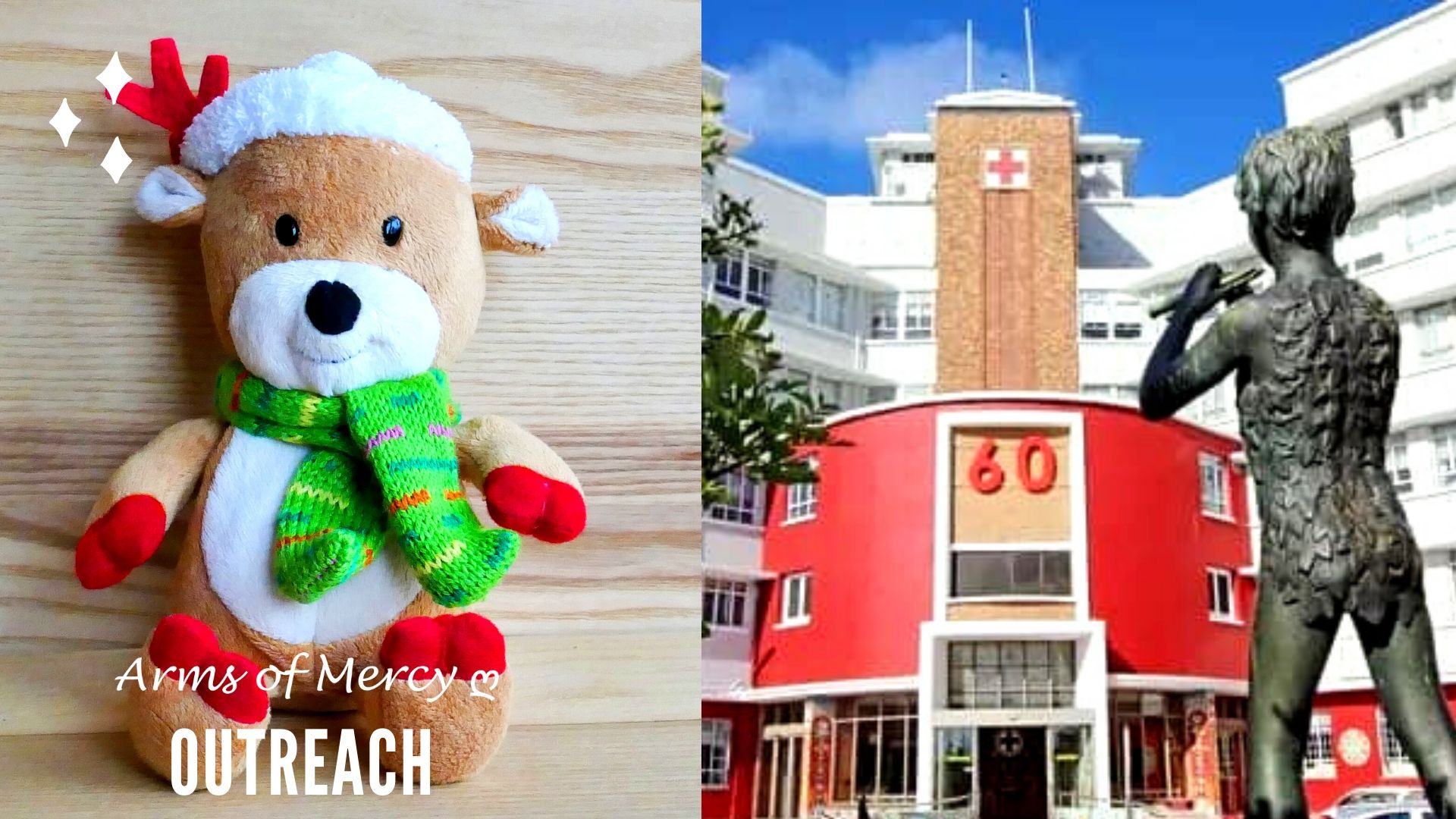
Outreach – Red Cross Children`s Hospital

outreach red cross children`s hospital december 2019 arms of mercy npc

Outreach Red Cross Children`s Hospital – December 2019

This festive season we are giving back to the Red Cross Children`s Hospital (Oncology Department). We ask all our AOM family and friends to please support this outreach project for 2019. 🙏 We would love for all these children and their parents to feel special too. 🎄❤

We currently need the following:
❤ Blankets
❤ Soft toys
❤ Sweeties
❤ Chippies
❤ Juices
❤ Biscuits
❤ Toiletries
❤ Cash contributions and donations are welcome

Please don`t hesitate to Whatsapp me on 0764630821 for any queries. ~ Karin.

Uitreik Rookruis Kinder Hospitaal – Desember 2019

Arms of Mercy is so opgewonde, hierdie Kersseisoen reik ons uit na die Rooikruis Kinder Hospitaal. (Onkologie Afdeling). Ons vra asseblief dat al ons AOM familie en vriende ons sal ondersteun met hierdie projek vir 2019. 🙏 Ons wil graag hê dat hierdie kindertjies en ouers ook spesiaal sal voel. 🎄❤

Ons benodig tans die volgende:
❤ Kombersies
❤ Speelgoed i.e soft toys
❤ Lekkergoedjies
❤ Chippies
❤ Sappies
❤ Koekies
❤ Toiletware
❤ Kontant bydrae en donasies is welkom

Vir enige navrae Whatsapp my gerus op 0764630821 ~ Karin.

Posted on

Tips for a Healthy Lifestyle

Health is defined as a state of complete physical, mental, and social well-being – and not merely the absence of disease. Before the industrial revolution, fitness was defined as the ability to carry out activities during the day without undue fatigue. However, with changes in lifestyles, physical fitness is now considered to be a measure of the body’s ability to function efficiently and effectively – in work and leisure activities – to be healthy, to resist hypokinetic diseases, and to meet emergency situations.

When you adopt a healthy lifestyle, not only are you taking active control to improve your quality of life, but you are also setting a positive example for other members of the family, specifically the children!

Tips for a Healthy Lifestyle

  1. Eat a variety of foods
  2. Base your diet on plenty of foods rich in carbohydrates
  3. Replace saturated with unsaturated fat
  4. Enjoy plenty of fruits and vegetables
  5. Reduce salt and sugar intake
  6. Eat regularly, control the portion size
  7. Drink plenty of fluids
  8. Maintain a healthy body weight
  9. Get on the move, make it a habit!
  10. Start now! And keep changing gradually.

Good nutrition

Good nutrition is a vital part of a healthy lifestyle. Your food choices affect your health — not just in how you feel today, but also tomorrow and in the future. Combined with physical activity, your diet can help you to reach and maintain a healthy weight, reduce your risk of chronic diseases, and promote overall health.

Exercise improves your health

Exercise strengthens your heart and improves circulation. Increased blood flow raises the oxygen levels in your body, which helps to lower your risk of heart diseases like high cholesterol, coronary artery disease, and heart attack. Regular exercise can also lower your blood pressure and triglyceride levels.

There are many types of physical activities one can do including walking, swimming, cycling, running, dancing, yoga, pilates, and jumping, to name a few. Find what is most enjoyable and what works for you, and commit to a daily routine.

Benefits of Regular Exercise

  • Increase feeling of happiness,
  • Improve your mental health and mood,
  • Help with weight loss,
  • Improve muscle and bone strength,
  • Increase energy levels,
  • Reduce risk of chronic disease,
  • Help your body manage blood sugar and insulin levels,
  • Improve skin health,
  • Improve brain health and memory,
  • Reduce anxiety sensitivity,
  • Help with relaxation and sleep quality,
  • Reduce pain,
  • Improve positive self-image and boost self-esteem,
  • Improve sexual desire, function and performance in both men and women,
  • Help with quitting smoking by reducing cravings and withdrawal symptoms,
  • Inspire others to make time for exercise!

How to Make Exercise Part of Your Regular Routine

  • Make everyday activities more active. Even small changes can help. You can take the stairs instead of the elevator. Walk down the hall to a coworker’s office instead of sending an email. Wash the car yourself. Park further away from your destination.
  • Be active with friends and family. Having a workout partner may make you more likely to enjoy exercise. You can also plan social activities that involve exercise. You might also consider joining an exercise group or class, such as a dance class, hiking club, or volleyball team.
  • Keep track of your progress. Keeping a log of your activity or using a fitness tracker may help you set goals and stay motivated.
  • Make exercise more fun. Try listening to music or watching TV while you exercise. Also, mix things up a little bit – if you stick with just one type of exercise, you might get bored. Try doing a combination of activities.
  • Find activities that you can do even when the weather is bad. You can walk in a mall, climb stairs, or work out in a gym even if the weather stops you from exercising outside.

sources: eufic.org, healthline.com, medlineplus.gov, wikipedia.org, greatist.com

*All information/posts on this blog is published for general information and educational purposes only. Arms of Mercy NPC and the armsofmercy.org.za website will not be held liable for any adverse health effects, losses and/or damages whatsoever. Any action you take as a result of the information is at your own risk, and does not replace the advice of a qualified medical practitioner. Always consult with your medical healthcare practitioner.

Posted on

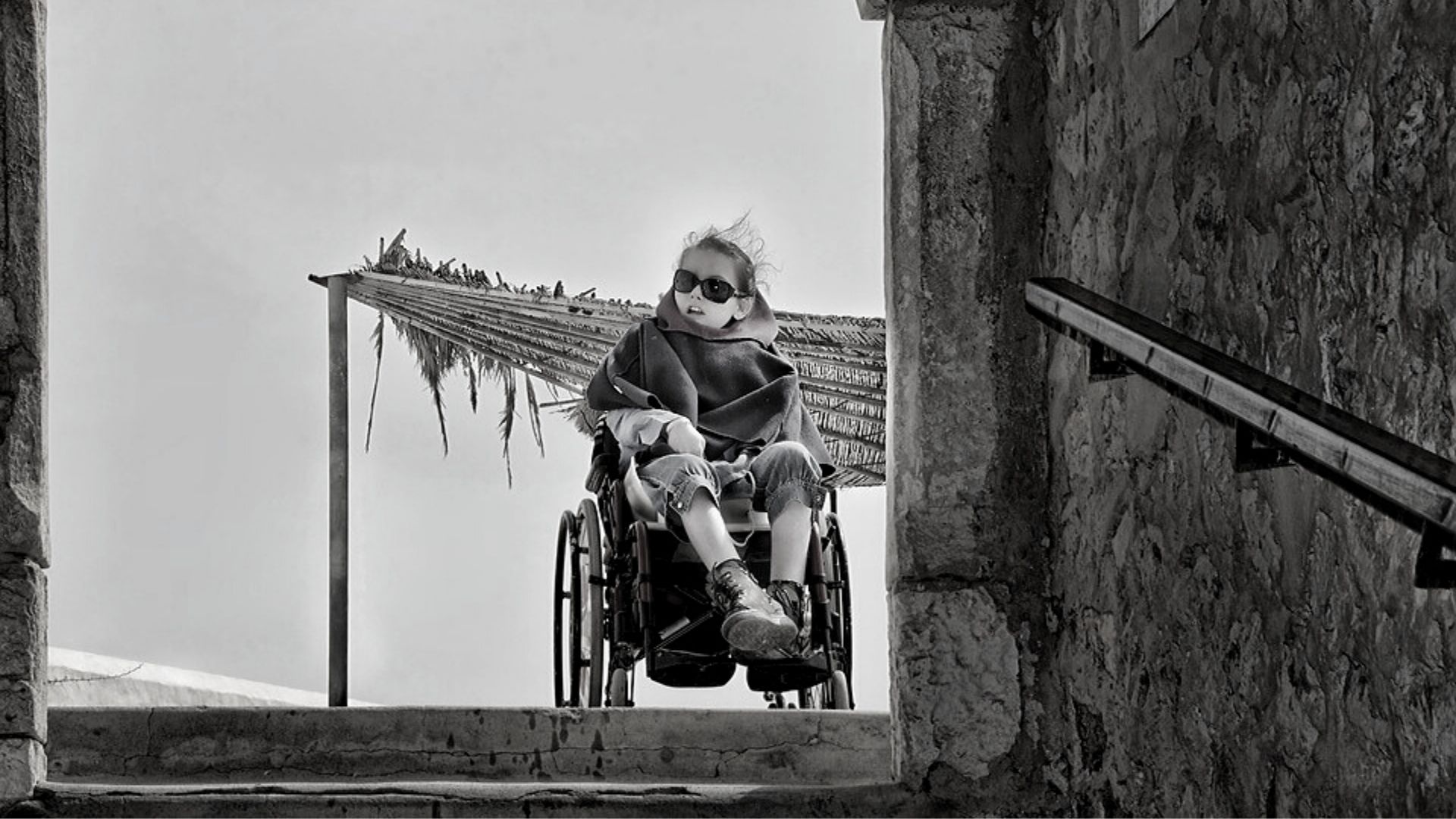
Guide to Maintaining Accessibility in Buildings for All Persons with Disabilities

Maintaining accessibility in buildings

Disability is the consequence of an impairment that may be physical, cognitive, mental, sensory, emotional, developmental, or some combination of these. A disability may be present from birth, or occur during a person’s lifetime.

Disability can be broken down into a number of broad sub-categories, which include the following 8 main types of disability:

  • Mobility and Physical Impairments.
  • Spinal Cord Disability.
  • Head Injuries (TBI) – Brain Disability.
  • Vision Disability.
  • Hearing Disability.
  • Cognitive or Learning Disabilities.
  • Psychological Disorders.

Making buildings more accessible to all persons with disabilities should be on top of your to-do list if your building is not complaint yet. Below is a guide to help you in the right direction. It is important to re-access your building`s accessibility program regularly, or at least every 3 years to ensure it`s up to standard.

A good accessibility expert will often be able to suggest affordable solutions. Develop an implementation plan for addressing each issue that the report identifies, according to the issues’ priorities as soon as possible after the audit – and develop and Access Handbook that staff who work in the relevant areas can refer to — and update — while working.

Maintaining accessibility in buildings

Outside the building

Make sure that parking spaces for people with disabilities are accessible. Check:

  • That parking spaces and drop-off points are kept clear for people who need them
  • The surface and lighting around the building and on the paths that customers/visitors use to get to the building.
  • That the main entrance door is correctly designed, and that at least one entrance is accessible if the main entrance is not accessible.

Ramps and steps

If any public service areas have slopes that are steeper than 1:20, make sure that both steps and ramps are available, and that they are correctly designed.

Wheelchair Ramp

Steps and lifts

Steps

Avoid putting steps within a floor in a building, where possible. Where steps are necessary, provide a ramp or platform lift as appropriate.

Lifts

Provide accessible lifts in all new buildings that have more than one floor.
Make sure that the lifts are designed to best practice guidelines.
Check the lifts’ operation regularly.
Keep the lifts clear.

Corridors and doors

Check that:

  • Corridors and routes are not obstructed by deliveries, machinery, or anything else
  • Doors are kept open where possible
  • Doors that are closed are easy for customers/visitors to open
  • Doors are wide enough for all customers/visitors.

Signs

Public buildings should have signs to let your customers/visitors understand where they need to go. The signs should:

  • Be designed according to best practice guidelines
  • Have Braille or raised lettering wherever possible
  • Have writing that is large enough for your customers/visitors to read
  • Use appropriate symbols
  • Not be ”home made“
  • Be placed where your customers will:
    • Be able to see them easily
    • Not walk into them.

Reception areas and waiting rooms

Public service reception areas and waiting rooms should be designed, and maintained, to best practice guidance.

  • Provide correctly designed seats. A mixture of types and sizes of seats is best. Some customers may need to use arm-rests, and some may find arm-rests awkward.
  • Provide an induction loop system in at least one accessible meeting room.

Intercoms, queuing systems, ticket offices, information desks

Consider how you will inform customers/visitors that they are next in line. Remember that some of them might not be able to:

  • Read visual information
  • Hear audio information or intercoms
  • Reach tickets or intercoms that are very high, very low, or awkward to reach
  • Understand complicated language or jargon.

Plan the location, output, and language of your intercoms, queuing systems, ticket offices, or information desks carefully. If these are inaccessible to some of your customers/visitors, make sure that your staff can help them by speaking — or giving written information.

Toilets

If you provide toilets for the public, provide toilets that customers/visitors with disabilities can use. Follow best practice guidance carefully.

  • Provide an alarm system in your accessible toilets, and test it regularly to make sure that a member of staff will help somebody in an emergency.
  • Make sure that accessible toilets are not used for storing cleaning equipment, deliveries, or anything else.
  • Provide sanitary bins in accessible toilets, and put them where they will not obstruct wheelchair users.

Interior design

Light

The light in your public buildings should be distributed evenly. There should be no large variations in lighting levels and the light should not be too bright or too dark. Avoid glossy, shiny and polished surface finishes and keep reflections, shadows, and glare to a minimum.

Visual contrast

Use differences in colour and colour intensity to create visual contrast. That will help customers/visitors with vision impairments to:

  • Distinguish between walls and floors
  • Distinguish between door backgrounds and fittings
  • Avoid hazards
  • Find their way around the building.

Source: National Disability Authority


Posted on

The Right to Inclusive and Quality Education for Children with Disabilities

Inclusive and Quality Education for Children with Disabilities

South Africa commemorates National Disability Rights Awareness Month annually between 3 November and 3 December. This post aims to raise awareness about children and young people with disabilities, and their right to empower themselves through access to quality education and lifelong learning.

Disability Rights Awareness Month 2019

Children with disabilities are one of the most socially judged and excluded groups in society. They face various forms of discrimination, which leads to isolation and alienation from community, society and school.

The general attitude toward children with disabilities, and the lack of resources to accommodate these children, compound the challenges they face. The lack of easy access to school – and the inability of the education system to make sure that they receive quality education is of equal concern.

The Convention on the Rights of the Child (CRC) and the Education For All framework aim to meet the learning needs of all children and youth. The Convention on the Rights of Persons with Disabilities (CRPD) recalls those obligations and further specifies that “States Parties shall take all necessary measures to ensure the full enjoyment by children with disabilities of all human rights and fundamental freedoms on an equal basis with other children”, and “ensure an inclusive education system at all levels and lifelong learning” (articles 7 and 24).  

– unicef.org

To ensure quality education for children with disabilities the following must be addressed:

  • Promote accessible and inclusive learning spaces – Ensure physical accessibility for children with disabilities, including commuting and moving around in the school environment as well as having safe access to water and sanitation facilities whilst at school. Likewise, learning materials need to be made available in accessible formats to suit the needs of children with different types of disabilities. 
  • Invest in teacher training for inclusive education – Where available, approaches to education for children with disabilities have changed over the years. While the initial emphasis was on ‘special schools’, there has been a shifting that indicates a preference towards inclusive education. Preparation and orientation of teachers for inclusion should happen through teacher training which, besides the child-centred pedagogy will also address attitudes towards children with disabilities, and how to prepare/support families for them to be encouraged to keep their children in school and informed about their children’s potential.
  • Take a multi-sectoral approach – Barriers that prevent children with disabilities to access education are located both within and outside the education system, for example transport, social services for assistive devices, health etc.
  • Involve the community – The education of children with disabilities must include a strong involvement from community as well as from parents, being two key factors which determine the success of IE.
  • Collect data for evidence building and progress monitoring – In order to have evidence to advocate for inclusion and create a baseline for monitoring progress in disability mainstreaming in the educational system, it is required to collect and disaggregate data on the patterns of enrolment, attendance, completion, attainment and drop out as a result of having a disability (in addition to gender, ethnicity, income level, geographical location etc.).  Also other qualitative and quantitative studies, like one on Out Of School Children, provide important baselines and as such must become a regular component of monitoring education standards.  Research findings are helping to define strategies to ensure specific target groups are reached.

Inclusive Education in South Africa

“In 2015, it was estimated by Human Rights Watch that over 600,000 children with disabilities are not in the school system in South Africa. Since the release of these statistics, it has come to light that this number may be even higher, as the government is yet to determine the exact number of children with disabilities not attending schools.” – dailymaverick.co.za

Inclusive Education recognises the right of ALL children to feel welcomed into a supportive educational environment in their own community. It refers to the capacity of ordinary local schools and ECD Centres to respond to the needs of ALL learners, including those requiring extra support because of learning or physical disability, social disadvantage, cultural diffrences or other barriers to learning.

We now have a strong legislative and policy framework that promotes an Inclusive Education system in South Africa. The South African Constitution, The South African Schools Act, White Paper 6, The UN Convention on the Rights of Persons with Disabilities, UN Convention on the Rights of the Child all place obligations on the State to ensure ALL children are given access to meaningful participation in learning in the general education system. – included.org.za

Be Inspired

Earlier this year we were fortunate enough to join hands in raising SMA Awareness with Kerry Walsh, an inspiring young lady with a “never say no” attitude.

Kerry was diagnosed with SMA (Spinal Muscular Atrophy) around the age of one, and was given the life expectancy of 5 years old. Today, at age 21, she is a motivational speaker and extremely passionate about changing the level of accessibility in South Africa!! Kerry was an ambassador for the Nappy Run 2016-2017, and was nominated as a Margaret Hirsch Women in Business 2017-2018!! Learn more about Kerry`s story and her mission to raise SMA Awareness and changing the level of accessibility in SA.

Kerry Walsh
Kerry Walsh

Sources: https://www.unicef.org/disabilities/index_65316.html, https://www.right-to-education.org/page/united-nations-instruments, http://www.included.org.za/news/what-is-inclusive-education/

Posted on

Disability Rights Awareness Month

Disability Rights Awareness Month 2019

South Africa commemorates National Disability Rights Awareness Month annually between 3 November and 3 December.

3 December is the International Day of Persons with Disabilities, and is also commemorated as National Disability Rights Awareness Day.

The month long campaign carries weekly sub-themes which are reflected in the Medium Term Strategic Framework (2019-2024) of government. The following sub-themes are intended to focus conversations on priority areas identified by the disability sector, which also link to the seven priorities of government:

Week 1: Children and young people with disabilities empowered to chart their own destiny through access to quality lifelong learning
Week 2: A built environment accessible to all persons with disabilities
Week 3: Persons with disabilities as equal players in building inclusive economies
Week 4: Children and women with disabilities – feeling and being safe as equal citizens in their communities

Disability is the consequence of an impairment that may be physical, cognitive, mental, sensory, emotional, developmental, or some combination of these. A disability may be present from birth, or occur during a person’s lifetime.

Society is encouraged to be part of the conversation online by using the hashtag #DisabilityInclusiveSA

As published at www.gov.za/DRAM2019


Posted on

Epilepsy Awareness – Risk Factors & Causes

epilepsy awareness

Epilepsy, also known as seizure disorder, is a neurological disorder, associated with abnormal electrical activity in the brain. It is marked by sudden recurrent episodes of sensory disturbance, unusual behaviour, sometimes loss of consciousness, and convulsions.

Anyone can develop epilepsy at any stage during their lifetime. The disorder affects both males and females of all ages, races, and ethnic backgrounds. It is not contagious or infectious, nor is it a mental illness or psychiatric disorder.

Risk Factors

Factors that may increase your risk of epilepsy:

  • Age: The onset of epilepsy is most common in children and older adults, but the condition may occur at any age, at any time.
  • Family history: If you have a family history of epilepsy, you may be at an increased risk of developing a seizure disorder.
  • Head injuries: Head injuries are responsible for some cases of epilepsy. Reduce your risk by wearing a seat-belt while riding in a car and wear a helmet when cycling, skiing, riding a motorcycle or engaging in other activities with a high risk of head injury.
  • Stroke and other vascular diseases: Stroke and other blood vessel (vascular) diseases can lead to brain damage that may trigger epilepsy. To reduce your risk; limit your alcohol consumption and avoid cigarette smoking, maintain a healthy diet, and exercise regularly.
  • Dementia: In older adults, Dementia can increase the risk of epilepsy.
  • Brain infections: Infections such as meningitis causes inflammation in your brain or spinal cord and may increase the risk of epilepsy.
  • Childhood Seizures: High fevers during childhood can sometimes be associated with seizures. Children who have seizures due to high fever generally won’t develop epilepsy. The risk will increase if a child has a long seizure, another nervous system condition or a family history of epilepsy.

Causes

The underlying causes of the epilepsy is unknown (idiopathic epilepsy) in approximately 66% of cases. Possible underlying causes of symptomatic epilepsy include: A head injury occurring at any age, A birth injury, Alcohol and drug abuse.

National Disability Rights Awareness Month

According to research, 5% – 12% of all South Africans live with some form of disability – and 20% of these have epilepsy – which is double the amount in developed countries. About 1 in 20 people will have an epileptic seizure at some point in their lives, while 1 in 100 will have seizures on a regular basis.

People with epilepsy are still able to do physical and intellectual work, and should not be treated differently. South Africa commemorates National Disability Rights Awareness Month every year from 3 November – 3 December.


purple awareness bracelet epilepsy - arms of mercy npc

Purple Awareness Bracelet – Epilepsy Awareness


Sources: https://www.gov.za, https://epilepsy.org.za, https://www.mayoclinic.org

All information in this post is published for general information and educational purposes only. Arms of Mercy NPC and the armsofmercy.org.za website do not offer any diagnosis or treatment, and will not be held liable for any adverse health effects, losses and/or damages whatsoever. Any action you take as a result of the information is at your own risk, and does not replace the advice of a qualified medical practitioner. Always consult with your medical healthcare practitioner.

Posted on

Lung Cancer Awareness: Risk Factors, Signs and Symptoms

lung cancer awareness - risks factors signs symptoms

November is Lung Cancer Awareness Month.

The lungs are the primary organs of the respiratory system in humans. Their function is to extract oxygen from the atmosphere and transfer it into the bloodstream, and to release carbon dioxide from the bloodstream into the atmosphere, in a process of gas exchange.

Lung Cancer Awareness

Lung cancer is one of the leading causes of death in men and women around the world. It is no secret that smokers have the greatest risk of lung cancer, but lung cancer can also occur in people who have never smoked.

The survival rate for people diagnosed with lung cancer are low. Those who`ve been diagnosed at early stages have the best chance for recovery.

Risk Factors

  • Smoking
  • Exposure to secondhand smoke
  • Exposure to Radon Gas
  • Exposure to Asbestos and other carcinogens
  • Outdoor air pollution, especially chemicals released from the burning of fossil fuels
  • Family history of lung cancer

Lung Cancer Signs and Symptoms

  • A new cough that does not go away
  • Changes in chronic cough or “smoker`s cough”
  • A cough that gets worse, or does not go away
  • Coughing up blood
  • Shortness of breath and wheezing
  • Constant chest pain, especially when coughing
  • Frequent chest infections
  • Wheezing/Hoarseness
  • Swelling of the neck and the face
  • Fatigue
  • Loss of appetite/ Weight loss without trying
  • Bone pain
  • Headaches

Lung cancer often spreads to other parts of the body, like the brain and bones. This can cause pain, nausea, and headaches among other signs and symptoms – depending on the organ that is affected. Once lung cancer has spread beyond the lungs, it is generally not curable, though treatments are available to help you live longer.

Reduce Your Risk

  • Don`t smoke
  • Quit smoking immediately
  • Avoid secondhand smoke
  • Test your home for Radon
  • Avoid carcinogens at work and at home
  • Maintain a healthy diet full of fruits and vegetables
  • Exercise often (most days of the week)

Lung Cancer Awareness Bracelet

The Lung Cancer Awareness Bracelet consist of silver and white wooden beads with crystal and diamante fillers. Charms include: Diamanté Awareness Ribbon, Made-with-love charm, and small Awareness-ribbon.

To place and order, contact the agent in your area or shop online. Alternatively, please consider a donation; any and all donations welcome.

Shop Online

“Breath is Spirit. The act of breathing is Living.”

The Lung Cancer Awareness Bracelet form part of our fundraising efforts for all the precious AOM children. We love them all dearly, and wish to help them on an ongoing basis with medical expenses. We can not see our vision and mission through without your support; it truly goes a long way.


Sources: https://www.cansa.org.za/files/2015/05/2015-CANSA-Lung-Cancer-Infographic-Eng.pdf, https://www.mayoclinic.org/diseases-conditions/lung-cancer/symptoms-causes/syc-20374620, https://en.wikipedia.org/wiki/Lung_cancer, https://en.wikipedia.org/wiki/Lung


*All information in this post is published for general information and educational purposes only. Arms of Mercy NPC and the armsofmercy.org.za website do not offer any diagnosis or treatment, and will not be held liable for any adverse health effects, losses and/or damages whatsoever. Any action you take as a result of the information is at your own risk, and does not replace the advice of a qualified medical practitioner. Always consult with your medical healthcare practitioner.

Posted on

Liver Cancer Awareness: Causes, Signs & Symptoms

Liver Cancer Awareness

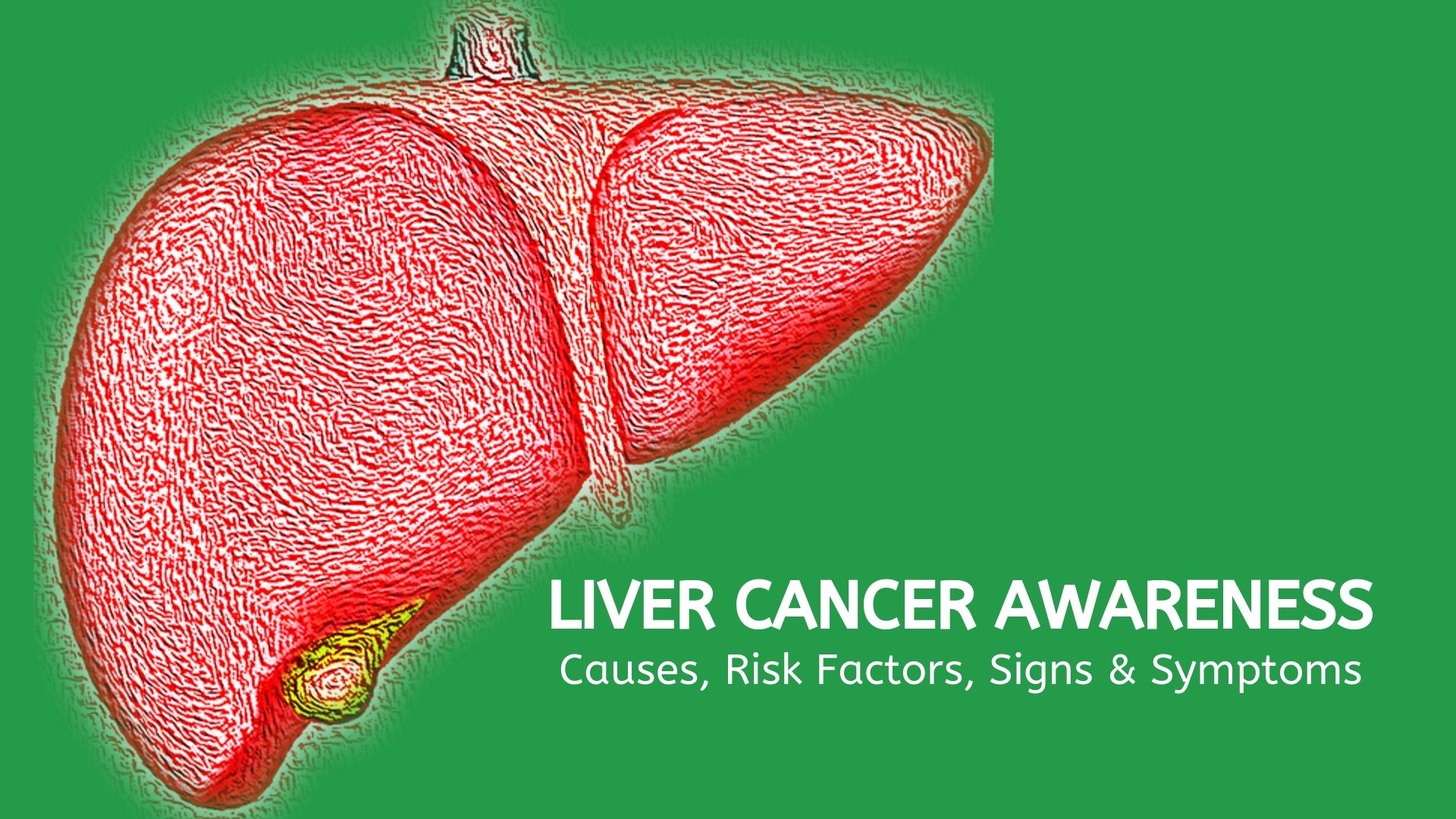
October is Liver Cancer Awareness month.

In many countries liver cancer is the most common type of cancer, with more than 800,000 people diagnosed each year world-wide. The liver is necessary for survival.

Functions of the Liver

More than 500 vital functions have been identified with the liver. Some of the more well-known functions include the following:

  • Production of bile, which helps carry away waste and break down fats in the small intestine during digestion
  • Production of certain proteins for blood plasma
  • Production of cholesterol and special proteins to help carry fats through the body
  • Conversion of excess glucose into glycogen for storage (glycogen can later be converted back to glucose for energy) and to balance and make glucose as needed 
  • Regulation of blood levels of amino acids, which form the building blocks of proteins
  • Processing of hemoglobin for use of its iron content (the liver stores iron)
  • Conversion of poisonous ammonia to urea (urea is an end product of protein metabolism and is excreted in the urine)
  • Clearing the blood of drugs and other poisonous substances
  • Regulating blood clotting
  • Resisting infections by making immune factors and removing bacteria from the bloodstream
  • Clearance of bilirubin, also from red blood cells. If there is an accumulation of bilirubin, the skin and eyes turn yellow. 
  • Source: hopkinsmedicine.org
Liver Cancer Awareness

Causes of Liver Cancer

Hepatocellular carcinoma accounts for most liver cancers. This type of cancer occurs more often in men than women, and is usually seen in people age 50 or older. However, the age varies in different parts of the world.

In most cases, the cause of liver cancer is usually scarring of the liver (cirrhosis). Cirrhosis may be caused by: Alcohol consumption, Autoimmune diseases of the liver, Hepatitis B or C viral infections, Chronic inflammation of the liver, and Iron overload in the body (haemochromatosis).

Risk Factors for Liver Cancer

Factors that may increase the risk of primary liver cancer include:

  • Alcohol Consumption – Alcohol has been declared a Group 1 carcinogen, which means that there is sufficient evidence that it causes cancer in humans.
  • Exposure to aflatoxins – Consuming foods contaminated with fungi that produce aflatoxins.
  • Age – In developing countries of Asia and Africa, liver cancer diagnosis tends to occur between 20 and 50.
  • Liver diseases that can increase the risk for liver cancer include haemochromatosis and Wilson’s disease.
  • Individuals with this blood sugar disorder have a greater risk of liver cancer.
  • Gender – Research shows that men are more likely to develop liver cancer than are women.
  • Non-alcoholic fatty liver disease.
  • Obesity – Having an unhealthy body mass index increases the risk of liver cancer.

Signs and Symptoms of Liver Cancer

Most people don’t have signs and symptoms in the early stages of primary liver cancer. When signs and symptoms do appear, it may include: Loss of appetite, Upper abdominal pain, Nausea and vomiting, Losing weight without trying to do so, General weakness and fatigue, Enlargement of the liver, Enlarged spleen, Distended abdomen, Yellow discoloration of the skin and the white of the eyes (jaundice), Dark urine, Pale (sometimes nearly white), Chalky stools, Easy bruising or bleeding, and Fever.

Diagnosis of Liver Cancer

The following procedures contribute towards the diagnosis of liver cancer and may be ordered by your treating physician:

  • Ultrasound – A test that uses sound waves to look for masses in the liver.
  • Computed tomography (CT) – The CT scan is an x-ray test that produces detailed cross-sectional images of your body.
  • Magnetic Resonance Imaging (MRI) – Like CT scans, MRI scans provide detailed images of soft tissues in the body, but use radio waves and strong magnets instead of X-rays.
  • Angiography – An angiogram is an x-ray test for looking at blood vessels. Contrast medium, or dye, is injected into an artery to outline blood vessels while x-ray images are taken.

Source: CANSA Fact Sheet on Liver Cancer

Liver cancer in children

Liver Cancer Awareness Bracelet

Liver Cancer Awareness Bracelet © Arms of Mercy NPC

Liver Cancer Awareness Bracelet – consisting of emerald green and silver wooden beads with crystals – and an Awareness Ribbon with made-with-love charm. To place and order, contact the agent in your area or shop online. Alternatively, please consider a donation; any and all donations welcome.

Posted on

Cerebral Palsy Types & Common Symptoms

Cerebral Palsy Types and Common Symptoms

Brief overview:

Cerebral palsy is a movement disorder that can affect posture and many aspects of daily life. Cerebral palsy (CP) is caused by damage or abnormal development in parts of the brain that control movement. These events can happen before, during, or shortly after birth or in the first few years of life, when the brain is still developing. In many cases the exact cause is unknown.

According to the South African Society of Physiotherapy, cerebral palsy is the most common physical disability in childhood – as many as eight children per hundred are affected in South Africa.

CP is a permanent but non-progressive condition that does not get worse as a child grows into adulthood. Except in cases where a baby is born with serious health problems, it is not considered a life-threatening disability, and most infants who are diagnosed with CP live normal life spans.

Causes of CP that occur before birth include: damage to the brain`s white matter, abnormal brain development, bleeding in the brain and lack of oxygen in the brain.

Although there have been no general studies of life expectancy in people with cerebral palsy, most children affected live between 30-70 years, depending on the severity of their condition.

Cerebral Palsy Types & Common Symptoms

The four main types of cerebral palsy include: Spastic, Athetoid, Ataxic and Mixed. The type is classified based on mobility limitations and the body parts affected. Below are some of the most common signs and symptoms related to each type.

Spastic Cerebral Palsy:

  • Awkward reflexes
  • Stiffness in one part of the body
  • Contractures (permanently tightened muscles or joints)
  • Abnormal gait

Athetoid Cerebral Palsy:

  • Stiff or rigid body
  • Floppiness in the limbs
  • Problems with posture
  • Issues feeding

Ataxic Cerebral Palsy:

  • Difficulty speaking
  • Problems with depth perception
  • Shakiness and tremors
  • Spreading feet apart when walking

Mixed Cerebral Palsy:

  • Exaggerated, jerky movements
  • Abnormal reflexes
  • Poor posture
  • Tremors or shakiness
  • Issues with coordination

Treatment

Individuals with CP require long-term care with a team of therapists for ongoing physical therapy, occupational- and speech therapy, and developmental therapy among a list of others. Mobility aids and assistive devices can also be used to help increase independence for those living with cerebral palsy. There is currently no cure for CP, but the condition is manageable with proper treatment and continuous loving care.

Research on stem cell therapy is developing at a rapid pace. The hope is that in the future, some type of stem cell therapy may help children with CP by replacing injured nerve cells that can take over the function of the damaged areas of the brain. As more information becomes available from carefully conducted scientific studies, this therapy may prove useful for children with cerebral palsy.

Also see this comprehensive overview of symptoms, causes , diagnosis and treatment.

Sources: kidshealth.org.nz, mayoclinic.org, nichd.nih.gov, cerebralpalsyguide.com, birthinjuryguide.org, worldcpday.org.

Cerebral Palsy Awareness

National Cerebral Palsy Awareness Month is celebrated every year in March as an awareness campaign to express support for the ones suffering from Cerebral Palsy. World Cerebral Palsy Day is on the 6th of October, and is represented by the green awareness ribbon. World Cerebral Palsy Day is a movement of people with cerebral palsy and their families, and the organisations that support them, in more over 65 countries. Their vision is to ensure that children and adults with cerebral palsy (CP) have the same rights, access and opportunities as anyone else in society. Learn more about Wold CP Day.


*All information/posts on this blog is published for general information and educational purposes only. Arms of Mercy NPC and the armsofmercy.org.za website will not be held liable for any adverse health effects, losses and/or damages whatsoever. Any action you take as a result of the information is at your own risk, and does not replace the advice of a qualified medical practitioner. Always consult with your medical healthcare practitioner.


Posted on

Global Tracheostomy Tube Awareness Week

Tracheostomy Tube Awareness Week - Arms of Mercy NPC

Official Tracheostomy Tube Awareness Week is the 3rd week of May every year, 19-25 May 2019.

Tracheostomy Tube Awareness Week

Not long ago, a mom wanted to show the world that her little girl was just like everyone else with a few added accessories. This led to the creation of Global Tracheostomy Tube Awareness Week. This annual event is now known as a viral campaign to spread awareness of trach patients, their families, and their caregivers across the world.

What is a Trach or Tracheostomy Tube?

A trach or tracheostomy tube is a small tube inserted into a hole into the trachea in the neck. This tube allows the person to breath without using or bypassing their mouth and nose. Some conditions that may require a trach include neuromuscular diseases, malformations of the airway or face, vocal cord paralysis, aspiration, disorders of respiratory control, obstructive sleep apnea, a variety of chronic lung diseases, tracheomalacia, tumors, and many other conditions.

Some children, youth, and adults may need a trach temporarily, while others may need one for a lifetime. Some also need additional support with the trach, such as oxygen or ventilator support, to assist in breathing.

Source: complexchild.org

Posted on

Down Syndrome Facts & Characteristics

A child is not a “Down’s child” or a “Downsie” or a “Down syndrome”, but is first and foremost a child, boy, girl, teenager, etc. and secondly happen to have Down syndrome. Set the example to your family and friends in using person first terminology. Speaking about a child / boy / girl / with Down syndrome is a good habit which does not give labels to people.

Facts about Down Syndrome

Down syndrome is a chromosomal disorder arising at the time of conception. There is an extra number 21 chromosome (Trisomy 21) which causes delays in physical and intellectual development. The exact cause of Down syndrome is currently unknown. It is not related to race, age, religion and socio-economic status and is one of the most frequently occurring chromosomal disorders. Down syndrome is characterised by a variety of unique features and a wide range of abilities in physical and cognitive areas of development. Intellectual ability cannot be assessed by the number of clinical signs and symptoms present.

The majority of people with Down syndrome fall in the mild to moderate range of intellectual disability. The incidence of Down syndrome is estimated to be one in every 1000 live births in developed countries and one in every 650 live births in developing countries. (In South Africa it is roughly one in every 500)

Women over the age of 35 are at a higher risk of having a child with Down syndrome. Nevertheless more than 80% of children with Down syndrome are currently being born to mothers under the age of 35. Although it cannot be cured, people with Down syndrome benefit from loving homes, appropriate medical care, early intervention, educational and vocational services. Due to advanced medical care, the majority of people born with Down syndrome today have a life expectancy of approximately fifty-five years. The person with Down syndrome has the same emotions and needs as any other person and deserves the same opportunities and care. The proper and accepted terminology for this disability is DOWN SYNDROME.

Characteristics of Down Syndrome

  • Babies with Down syndrome do look slightly different to other babies and can usually be identified by certain typical features. Not all of these traits mentioned below are found in every child with Down syndrome. Like all children, children with Down syndrome do resemble their parents.
  • Muscle hypotonia – low muscle tone Hyper flexibility – an excessive ability to extend the joints ( double jointed).
  • Epicanthal folds – small skin folds on the inner corner of the eyes.
  • Flat facial profile – somewhat depressed nasal bridge and a small nose.
  • The hands tend to be broad with short fingers. Simian line – a single crease on the palm of the hand. The small finger may tend to curve inward.
  • A wide space between the first and second toes (sandal gap).
  • Short stature
  • Congenital heart defects in 40 – 50% of people with Down syndrome.
  • 8 – 12 % have gastrointestinal tract abnormalities present at birth. Most of these defects are now correctable by surgery.
  • Hearing may be affected in up to 65% of people with Down syndrome. It is advisable to have children’s ears tested at least every six months.
  • Vision problems occur in 50 % of people with Down syndrome. It is advisable to take your child for an eye test every second year.

As published on Down Syndrome South Africa.


October is Down Syndrome Awareness Month.
21 March is World Down Syndrome Day and 20 October is National Down Syndrome Day in South Africa.
Show your support with an Arms of Mercy Down Syndrome Awareness Bracelet!

Shop Online

Posted on

Melanoma Skin Cancer – Signs & Symptoms

melanoma skin cancer - arms of mercy npc

Skin cancer is the most common cancer worldwide and SA has one of the highest monitored ultra violet (UV) levels in the world, resulting in one of the highest skin cancer rates globally.

“South Africa has the 2nd highest incidence of skin cancer in the world after Australia, and in particular one of the highest incidences of melanoma worldwide, as far as Caucasians are concerned. At least 20 000 South Africans are diagnosed annually with non-melanoma skin cancers, and a approximately 1 500 are diagnosed with melanoma.” – cansa.org.za

Melanoma is a tumour of melanin-forming cells, especially a malignant tumour associated with skin cancer.

Early signs of Melanoma: Changes to the shape or color of existing moles or, in the case of nodular melanoma, the appearance of a new lump anywhere on the skin. At later stages, the mole may itch, ulcerate or bleed. Early signs of melanoma are summarized by the mnemonic “ABCDE”.

Skin Cancer Types

The two main categories of skin cancer are melanoma, and non-melanoma.

These cancerous growths develop when unrepaired DNA damage to skin cells (most often caused by ultraviolet radiation from the sun or tanning beds) triggers mutations (genetic defects) that lead the skin cells to multiply rapidly and form malignant tumours. These tumours originate in the pigment-producing melanocytes in the basal layer of the epidermis.

Melanomas often resemble moles. Some melanomas develop from moles. The majority of melanomas are black or brown, but they can also be skin-coloured, pink, red, purple, blue or white. Melanoma is caused mainly by intense, occasional UV exposure (frequently leading to sunburn), especially in those who are genetically predisposed to the disease.

Melanoma is a malignant skin cancer which arises from the uncontrolled growth of pigment cells. From the skin it can spread to the lymph glands or via the bloodstream to other organs such as the liver, lungs and bones (metastases). This is invariably fatal. It is therefore imperative to diagnose and treat melanoma as early as possible.

The ABCDE of Malignant Melanoma Moles, brown spots and growths on the skin are usually harmless — but not always. Anyone who has more than 100 moles is at greater risk for melanoma.

The first signs can appear in one or more atypical moles. That is why it is so important to get to know one’s skin very well and to recognize any changes in the moles on your body.

The ABCDE Rule

A = Asymmetry: Melanomas are often asymmetrical, whereas moles are generally symmetrical.

B = Border irregularities: Melanomas frequently have irregular, uneven borders with scalloped edging. Benign moles usually have smooth, even borders.

C = Colour variation: Common moles are usually a single shade or shades of brown and black. Melanomas are often multi-coloured, with multiple shades of brown, black, red, white, grey or blue.

D = Diameter: Benign moles are usually (but not always) less than 6mm in diameter, whereas melanomas tend to be larger.

E = Evolving: a lesion that is changing in size, shape, or color or a new lesion

Look for the ABCDE signs of melanoma, and if you see one or more, make an appointment with your general practitioner or dermatologist immediately.

Sources:
–
cancercare.co.za
–
cansa.org.za

CANSA-SunSmart-2018-19-Infographics-English-4  - Melanoma Skin Cancer